
UNIT 9 Psychology and Sports
________________RUonTop_______________
CBSE Class 11 Physical Education
Revision Notes
Chapter 9
PSYCHOLOGY AND SPORTS
Psychology: Psychology is the study of mind and behavior

Direction everywhere
Sports Psychology: Sports Psychology is an applied Psychology involving applications of psychological principles to the field of physical education and sports.
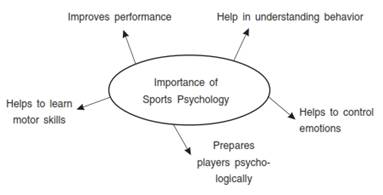
Importance of sports psychology
Growth and Development : Growth “The term growth of parts of the education means the growth of parts of the body, may be in size, height and weight
Development can be defined as progressive series of changes in an orderly coherent pattern.
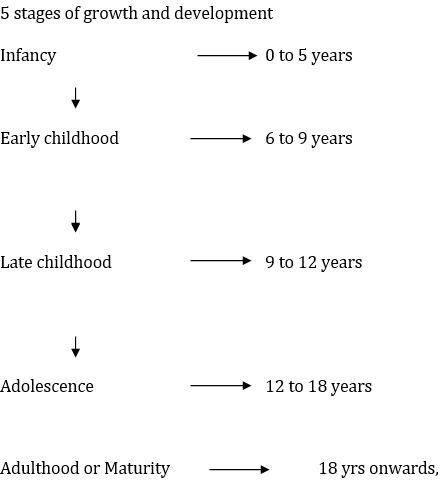
Different stages of growth and development
Adolescence, Problems of Adolescence and Management of Problems of Adolescents
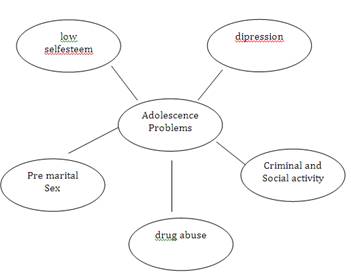
Adolescence → Adolescence is the period of change from childhood to adulthood
Sympathetic and Liberal attitude of parents --> Management of Problems of Adolescence
Healthy atmosphere at home and school --> Management of Problems of Adolescence
Paper knowledge of Adolescence psychology --> Management of Problems of Adolescence
Proper sex education --> Management of Problems of Adolescence
Channelization of energy in right directions --> Management of Problems of Adolescence.
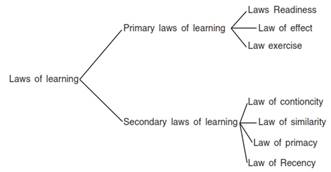
Define Learning, Laws of learning and Transfer of learning
Learning → Learning is a life long process : it starts in the womb and ends in the tomb.
Learning is adaptation and adjustment.
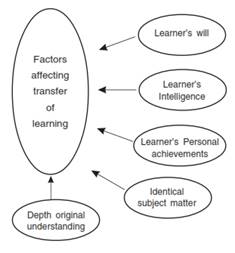
Transfer of learning, Types of Transfer of learning, factor affecting transfer of learning
Transfer of learning < Transfer of learning
occurs when a person’s learning in one situation influence his learning
and performances in other situation
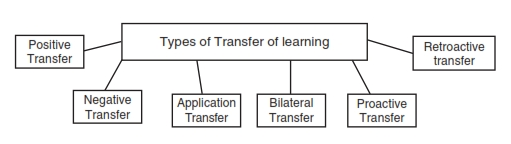
- Positive Transfer–When there is an improvement in a performance as a result previous learning or training
- Negative Transfer–When learnt one skill makes learning of the second skill more difficult
- Application Transfer–When previous learning is applied successfully to life situations
- Bilateral Transfer–When there is a change of performance in a number on one side of the body as a result of training the corresponding member on other side
- Proactive Transfer–learning of a skill affects the learning of a skill yet to be learnt.
- Retroactive Transfer–A skill recently being learnt affects the previously learnt skill.
Plateau and causes of Plateau
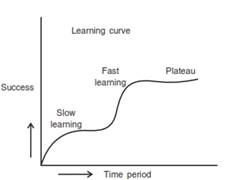
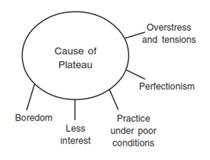
Plateau: A period of little or no apparent progress in an
individual’s learning, marked by an inability to increase speed, reduce
number of errors etc. and indicated by a horizontal stretch in a
learning curve or graph.
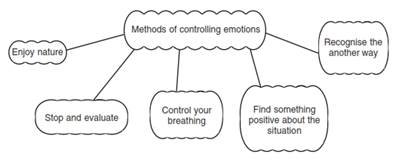
Concept of emotions and methods of controlling emotions.
Emotions → Emotions are intense feeling that are directed at someone or something. Emotions are subjective conscious experiences characterized by expressions, biological reactions and mental status.
 ========================================================================
Psychology and Sports 1. Definition & Importance of Psychology in Physical Education & Sports; 2. Developmental Characteristics at Different Stages of Development; 3. Adolescent Problems & their Management; 4. Team Cohesion and Sports; 5. Introduction to Psychological Attributes: Attention, Resilience, Mental Toughness.
_______________________________________________________________________________
1. Definition & Importance of Psychology in Physical Education & Sports
- Psychology: The study of the mind and behavior.
- Sports Psychology: The application of psychological principles to enhance performance, manage anxiety, and improve team dynamics.
Importance:
- Helps improve focus, confidence, and motivation.
- Manages stress and anxiety during competitions.
- Enhances team cohesion and communication.
- Develops coping mechanisms for setbacks and challenges.
2. Developmental Characteristics at Different Stages of Development
- Childhood: Rapid physical growth, developing motor skills, and learning social interaction.
- Adolescence: Puberty, emotional changes, development of identity, and peer influence.
- Adulthood: Stable physical and emotional maturity, focus on achieving goals, and handling responsibilities.
- Old Age: Decline in physical abilities, need for mental stimulation, and emotional adjustment to retirement or lifestyle changes.
3. Adolescent Problems & Their Management
Common Problems:
- Peer pressure and bullying.
- Body image concerns.
- Emotional instability and stress.
- Academic and performance pressure.
Management Strategies:
- Encourage open communication with parents and mentors.
- Provide a supportive and non-judgmental environment.
- Teach time management and coping skills.
- Promote healthy lifestyle habits like exercise and proper nutrition.
4. Team Cohesion and Sports
- Team Cohesion: The ability of a group to work together toward a common goal.
- Task Cohesion: Focus on achieving team objectives.
- Social Cohesion: Positive relationships among team members.
Importance in Sports:
- Enhances performance through effective teamwork.
- Builds trust and mutual respect among players.
- Helps resolve conflicts and maintain team harmony.
- Boosts morale and motivation during challenges.
5. Introduction to Psychological Attributes
- Attention: The ability to concentrate on relevant stimuli while ignoring distractions. Essential for peak performance in sports.
- Resilience: The capacity to recover from setbacks, injuries, or failures. Crucial for long-term success.
- Mental Toughness: The ability to remain focused, confident, and composed under pressure. Key for handling competitive environments.

RUonTop: Hi Welcome to our Blog...